Resource Page
Academic Advisor: Sean Smeland

MIT Edgerton Center_ High Speed Images

A Candle in Still Air
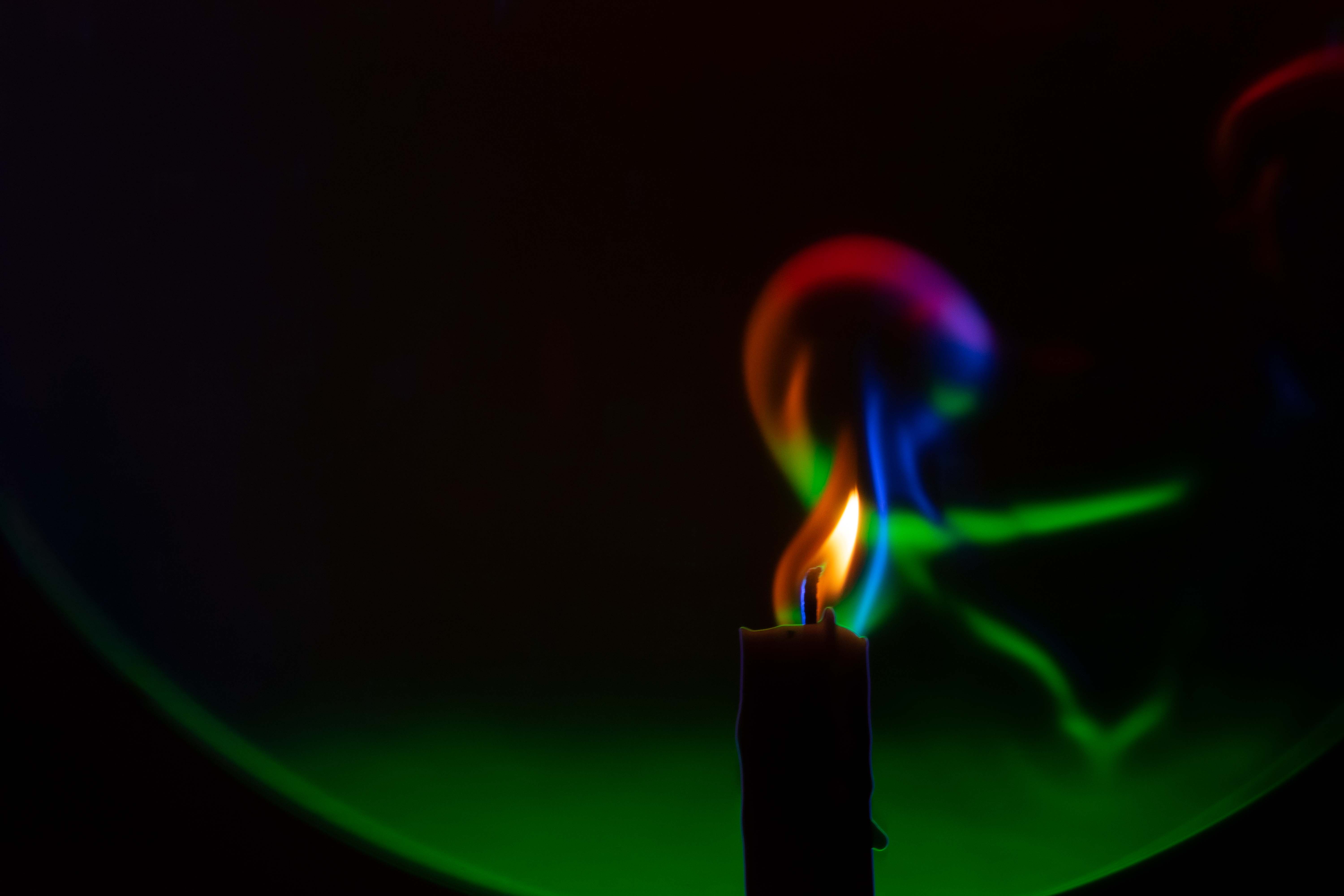
A Candle in the Wind

A Sparker Seen in Schlieren

A Splash of Milk
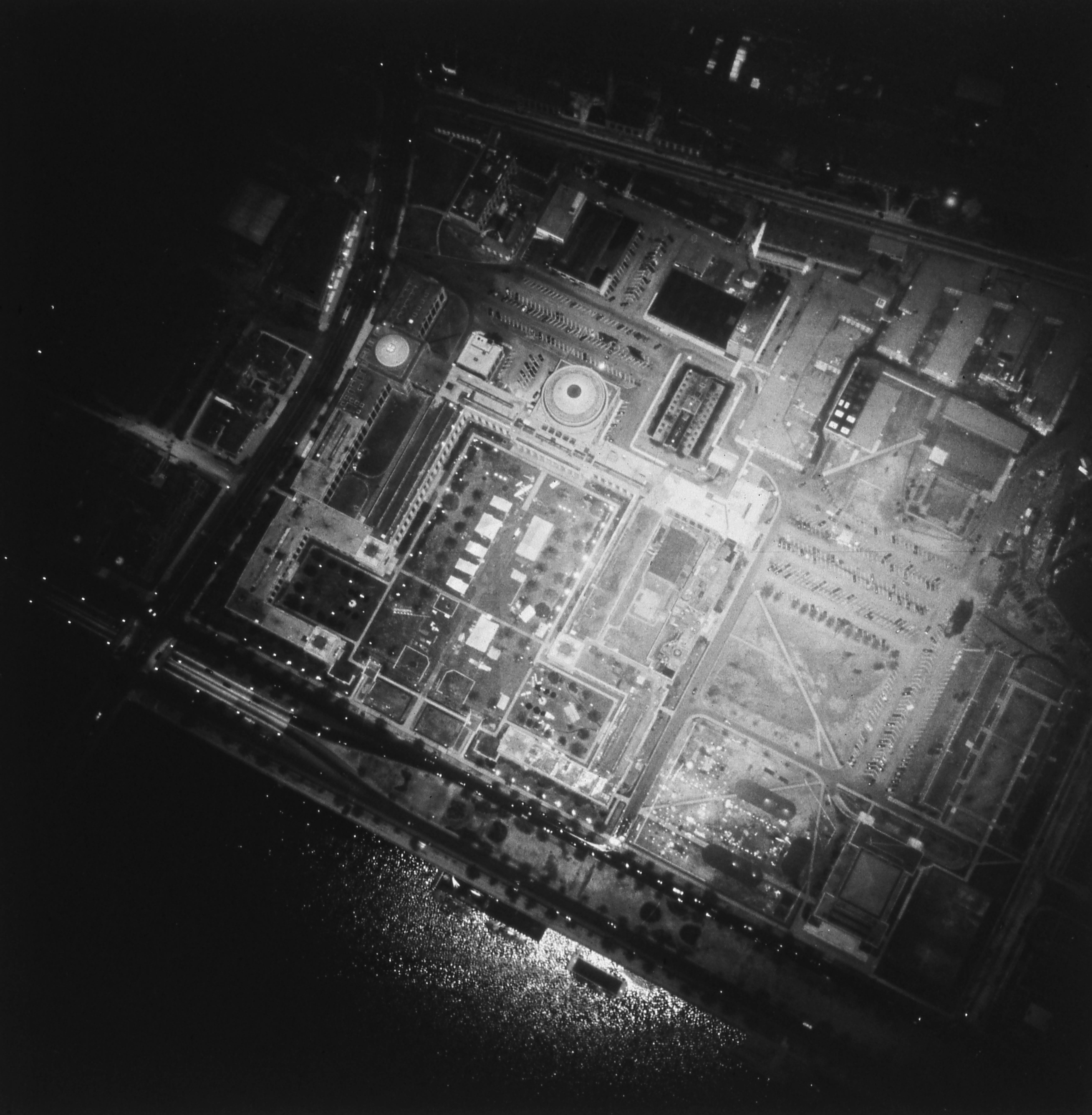
Aerial View of MIT at Night

Bullet and Crayons
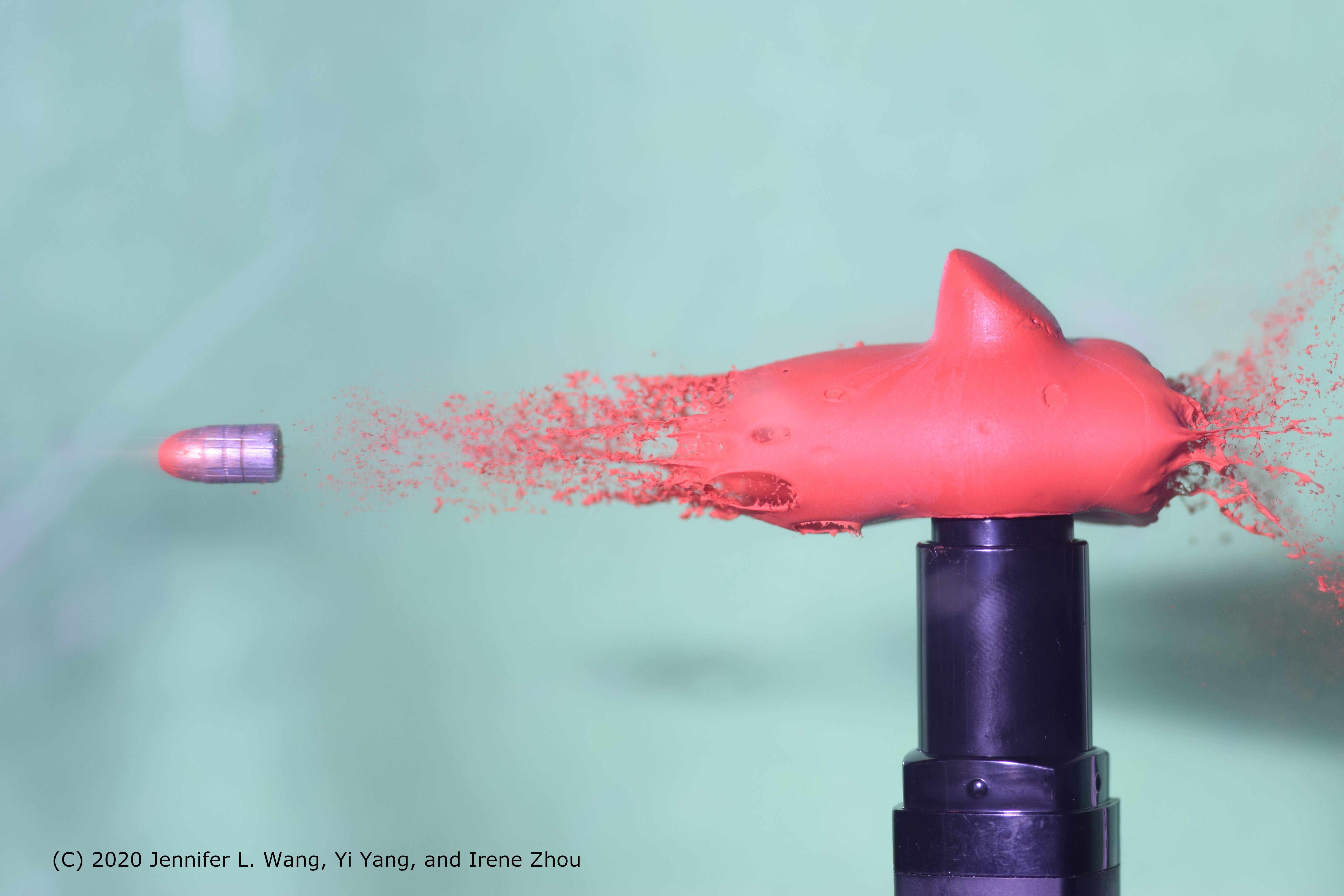
Bullet and Lipstick
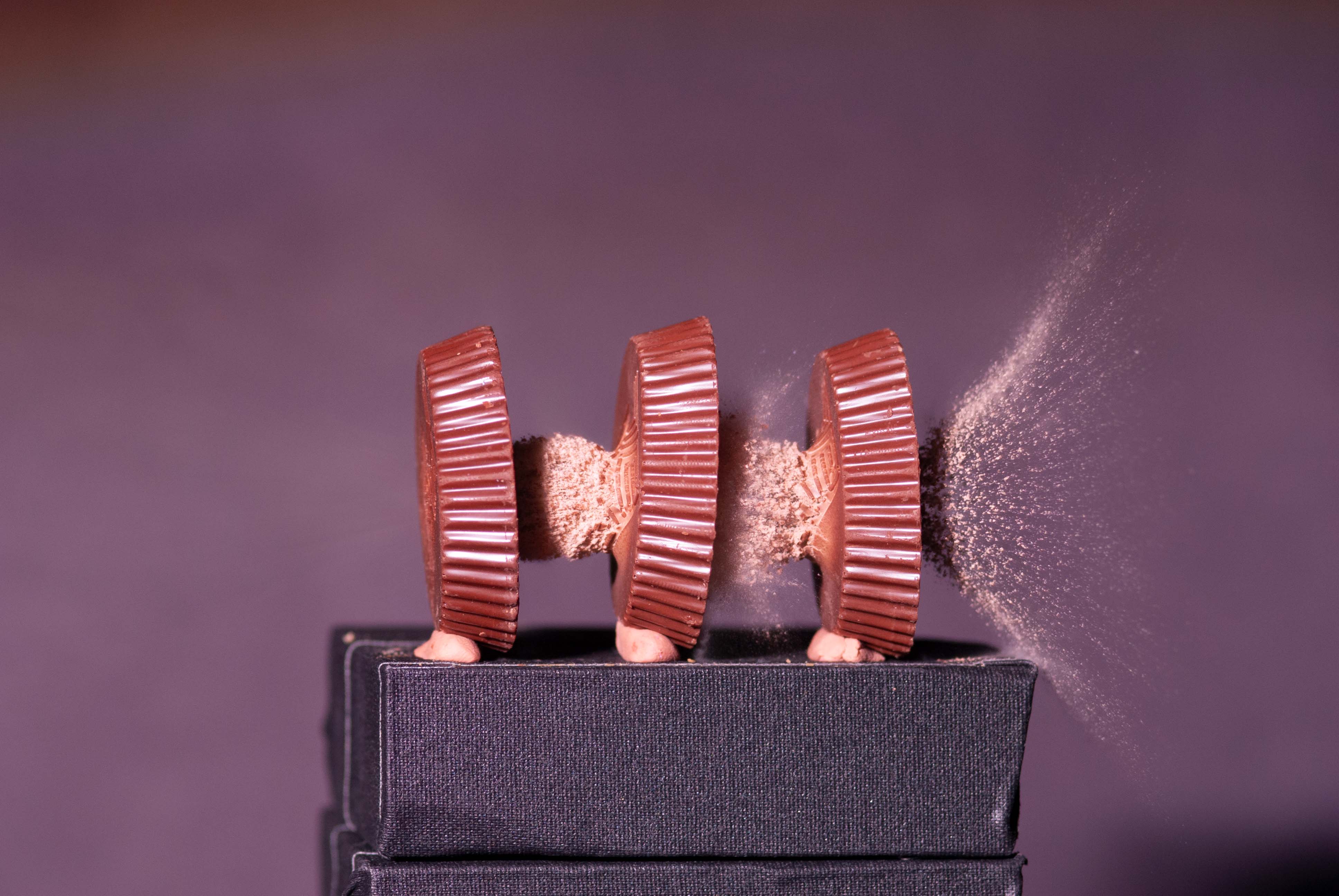
Bullet and Peanut Butter Cups
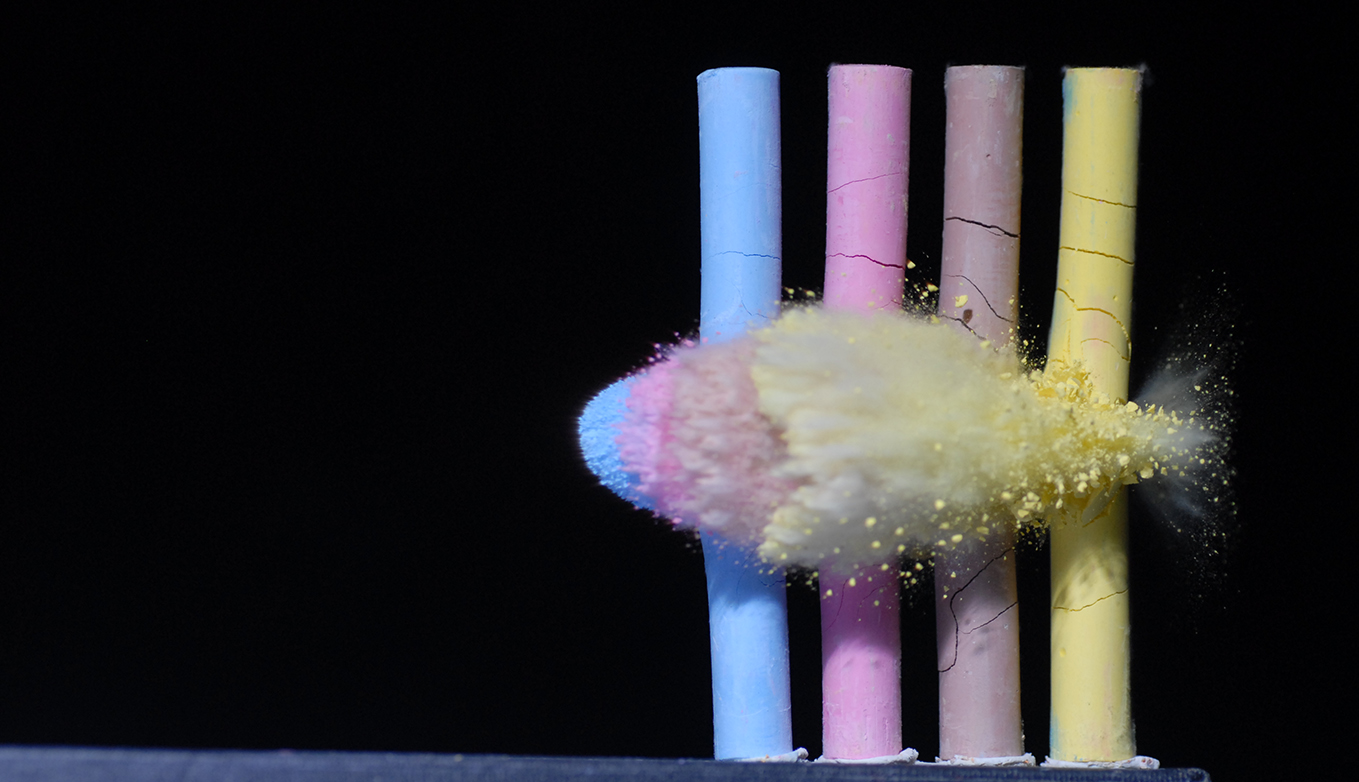
Bullet breaking colored chalk 2
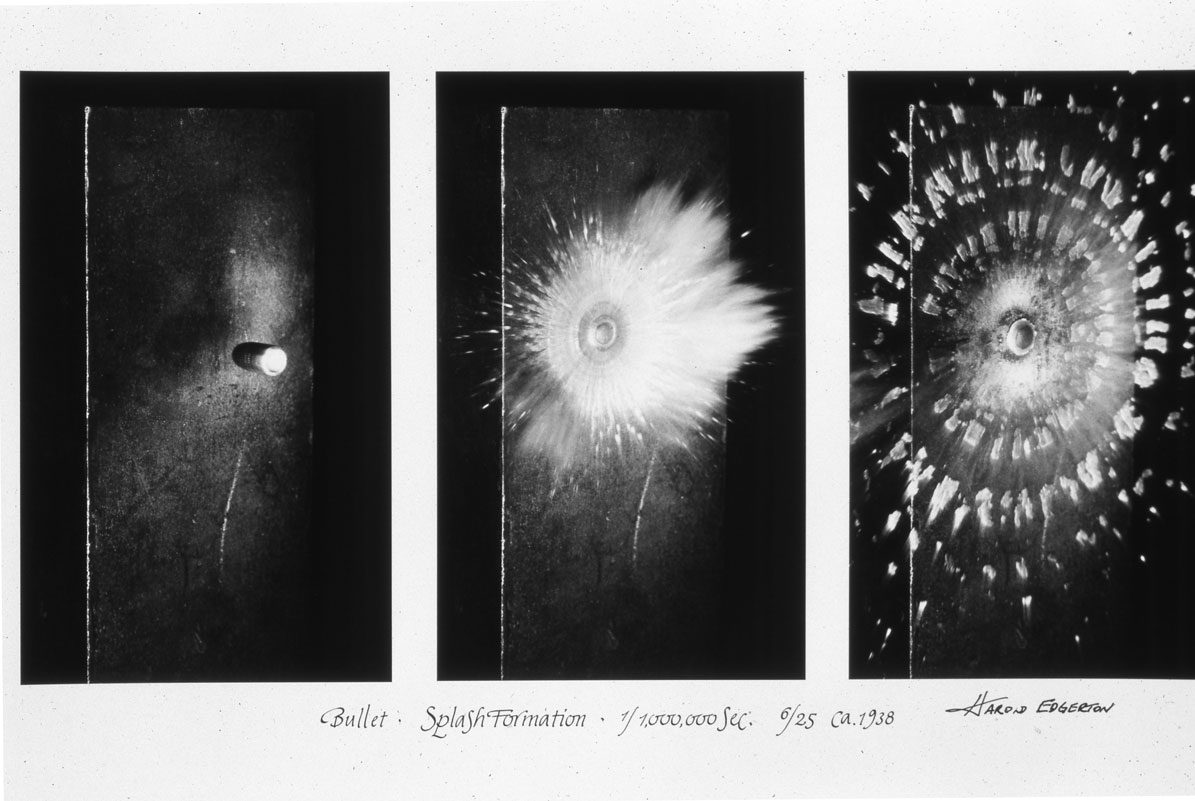
Bullet Splash Formation

Candle Wick

Card Trick

Chalk Impact (1 of 5)

Chalk Impact (2 of 5)
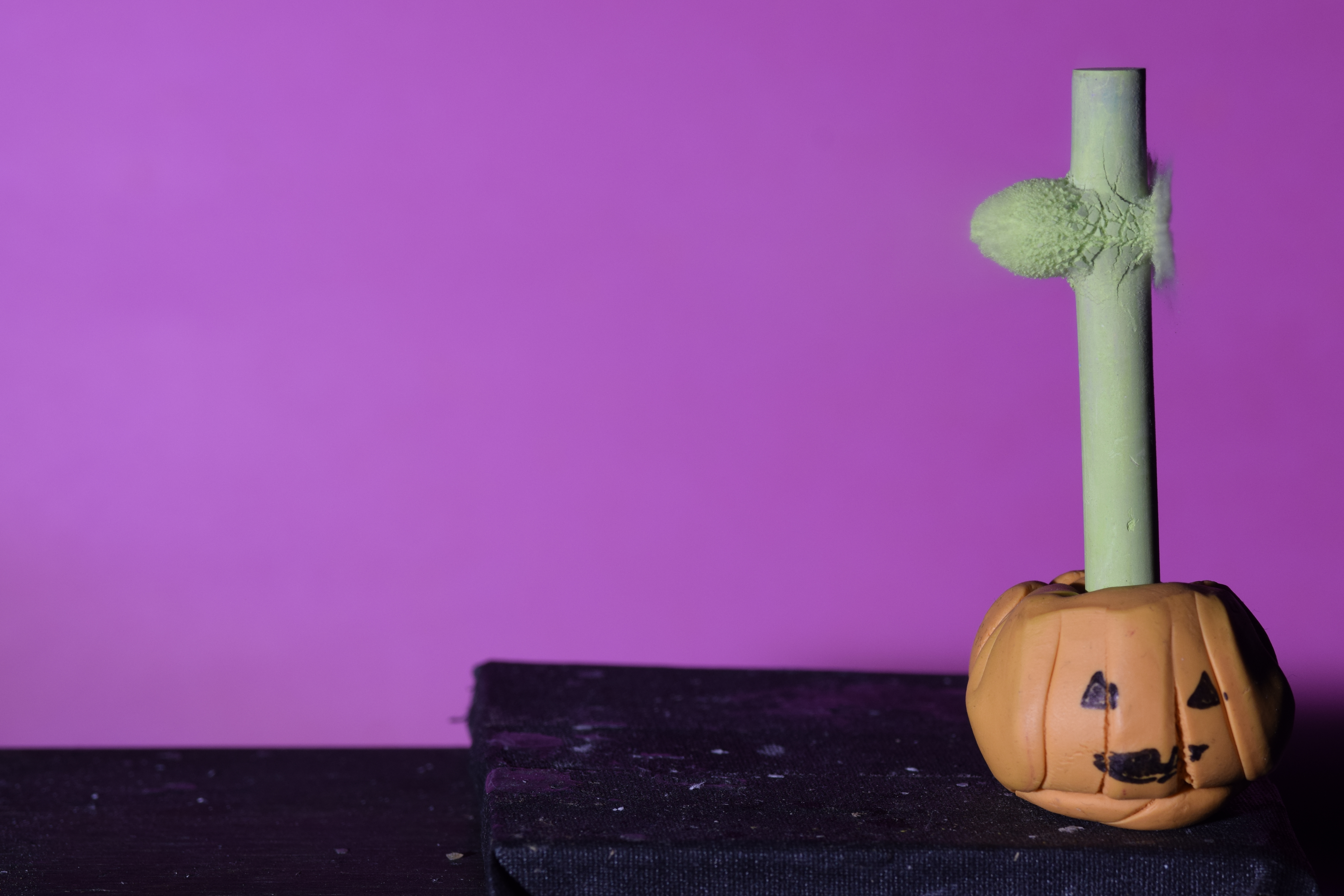
Chalk Impact (3 of 5)
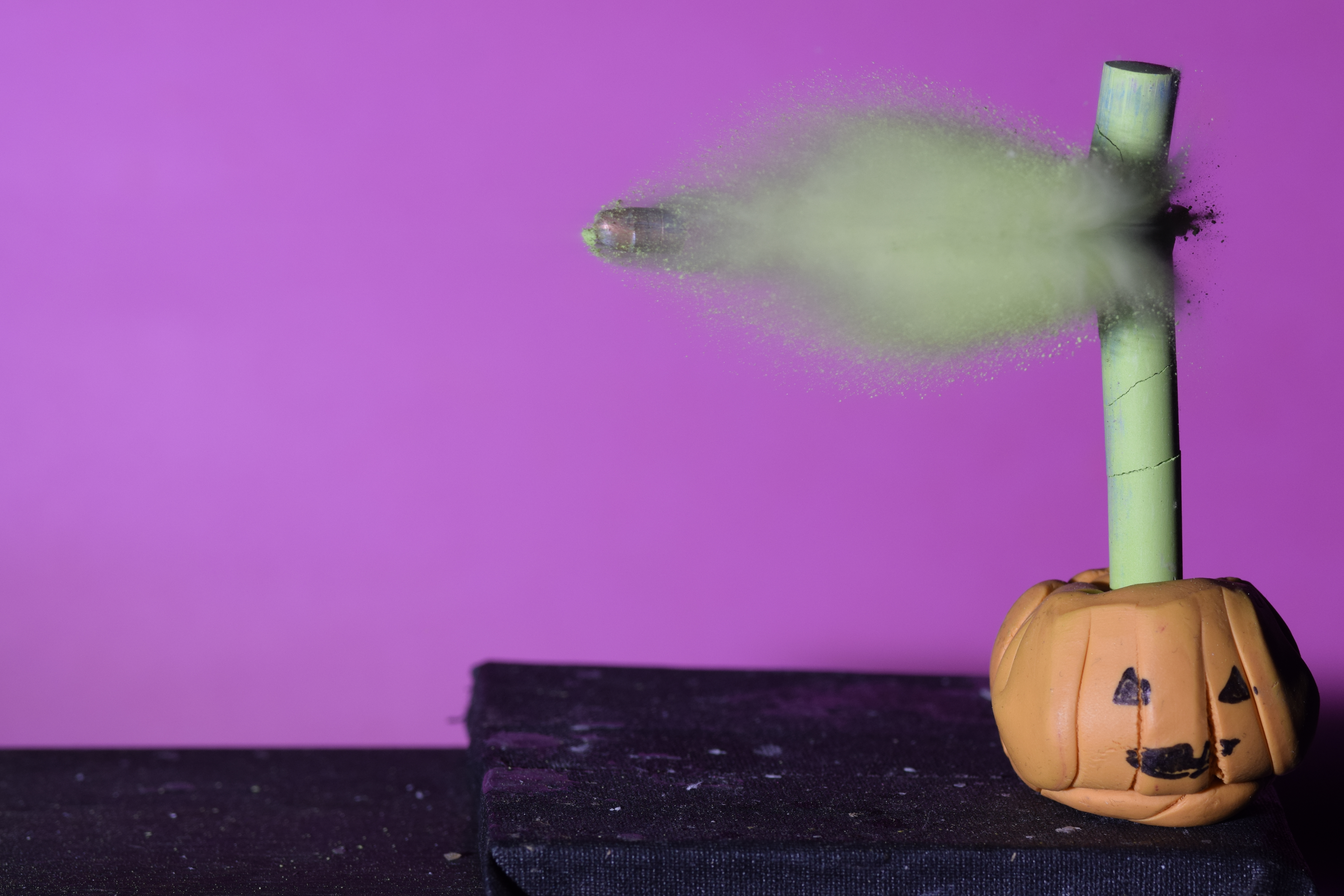
Chalk Impact (4 of 5)

Chalk Impact (5 of 5)

Colliding Paintballs

Cutting a Card Quickly
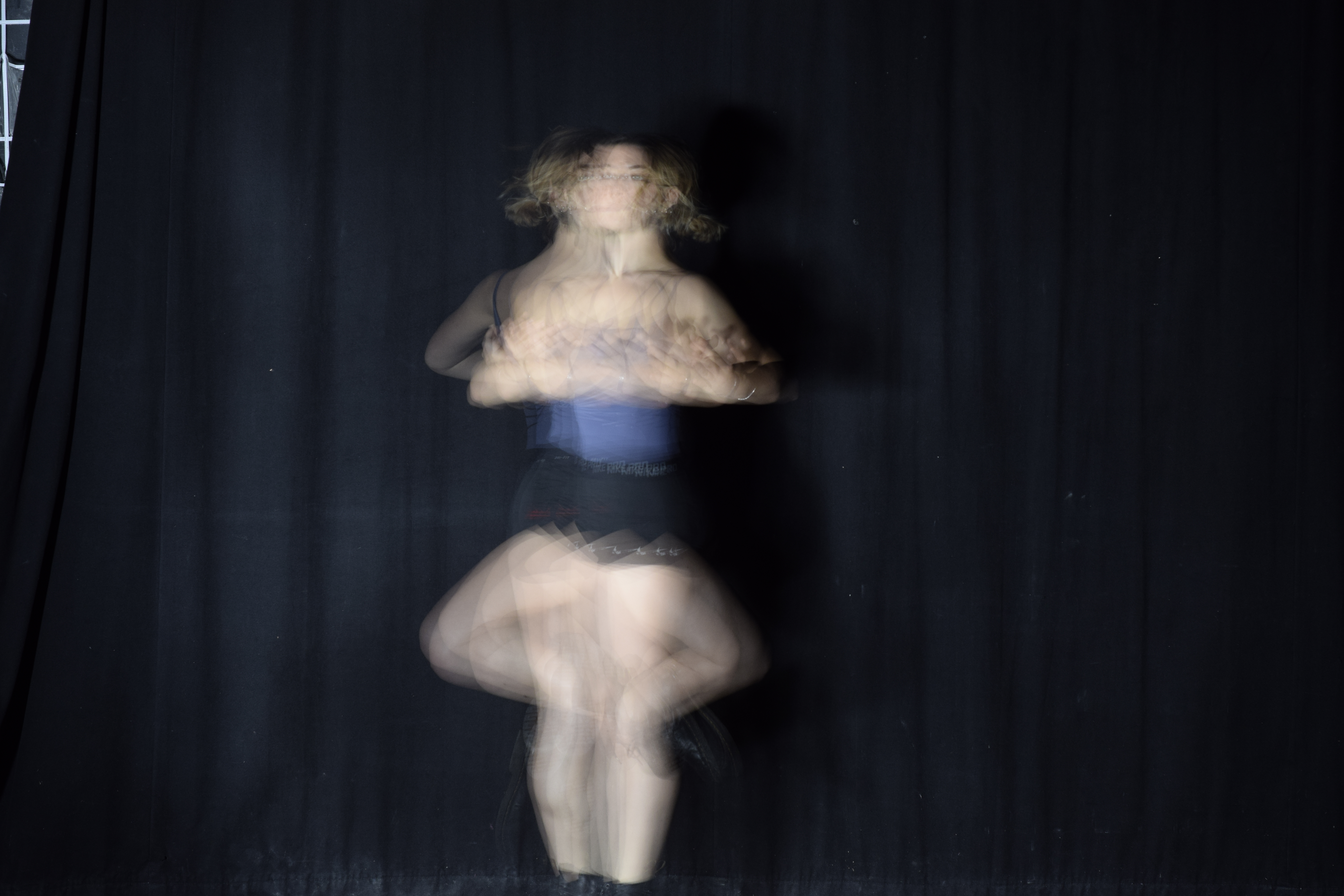
Dancer
Harvard - NASA: Chandra OCC
https://chandra.harvard.edu/about/asc.html
The Chandra X-ray Center
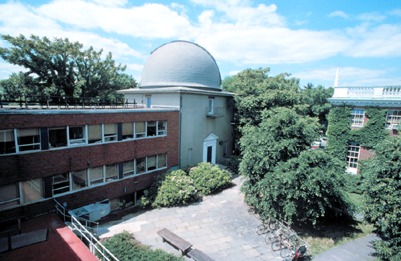 Smithsonian Astrophysical Observatory
The Chandra X-ray Center exemplifies NASA’s aim to increase the efficiency of its space programs by encouraging expert teams from outside of NASA to assume expanded responsibilities. In 1991 NASA contracted with the Smithsonian Astrophysical Observatory (SAO), in Cambridge, Massachusetts, to establish the AXAF Science Center (ASC) to support the development and operation of the Advanced X-ray Astrophysics Facility (AXAF), subsequently renamed the Chandra X-ray Observatory. Initially encompassing the areas of user support and science operations (including mission planning, instrument calibration and data processing), the ASC’s responsibilities were later expanded to include flight operations and communication with the public. When the observatory’s name was changed from AXAF to Chandra, the ASC was renamed the Chandra X-ray Center (CXC). The CXC includes scientists, engineers and technicians from SAO, the Massachusetts Institute of Technology and the Northrop Grumman Corporation. These institutions, which were directly involved in the design, construction and testing of the Chandra spacecraft and its scientific instruments, have extensive knowledge of the Chandra observatory.
The Operations Control Center

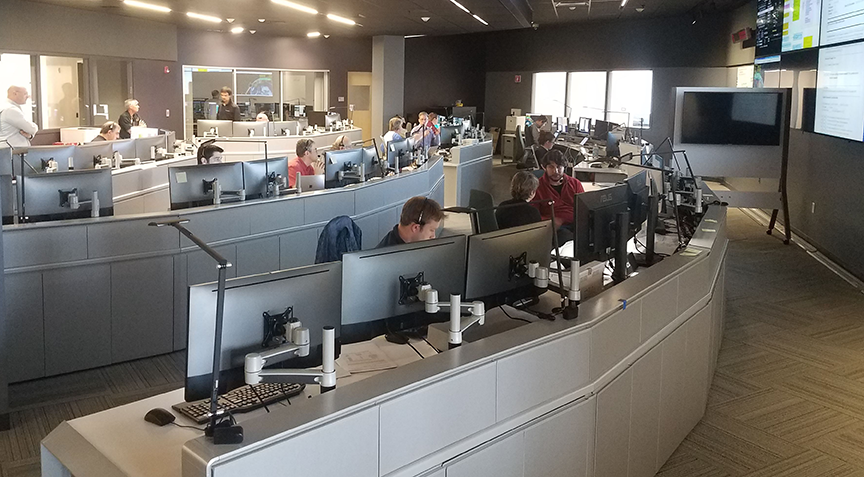
In 1996 NASA amended SAO’s contract to create the Operations Control Center (OCC), which SAO operates as part of the CXC under the general direction of NASA’s Marshall Space Flight Center. Operations Control Center staff control the orbiting Chandra spacecraft and ensure its health and safety.
Chandra Operations
Operations Control Center (Interior)
Based upon observing proposals submitted by scientists worldwide and selected through an annual peer review process, CXC staff design observing plans for efficient scheduling of the observatory. The time spent moving from one target to another is minimized, while avoiding potentially harmful x-rays and other radiation from the Sun and ensuring that the spacecraft’s temperature stays within acceptable limits. Commands for executing the observing plan are sent from the OCC to one of the three stations in Spain, Australia and California that make up NASA’s Deep Space Network, for relay to the orbiting spacecraft.
After carrying out the planned observations, the Chandra spacecraft transmits scientific data and monitoring information to the OCC, via the Deep Space Network, approximately every eight hours. Engineers analyze the monitoring data, which provides information on the state of the observatory, such as temperatures and power consumption, to assess Chandra’s condition and ensure the observatory’s safe operation.
CXC staff process the observatory’s scientific data to produce images and spectra of cosmic x-ray sources. The resulting science data products are sent to the scientists who proposed the observations, for further analysis. After one year following observation, all processed data are placed in a public archive for use by scientists and others throughout the world.
The OCC, located in Burlington, Massachusetts, about 10 miles north of Cambridge, consolidates the operational teams into one space that facilitates collaboration and situational awareness. A purpose-built area for Chandra’s spacecraft simulator is also positioned within the OCC, an important upgrade from the previous facility that will be valuable to the mission going forward.
Harvard - NASA: About Chandra Mission
7/22 Lecture_ Study Materials
- “The Value of the Liberal Arts,” written by Dr. Hina Azam, a professor at the University of Texas (see link: https://lifeandletters.la.
utexas.edu/2022/09/the-value- of-the-liberal-arts/)
- “Group Discussions and Critical Thinking”
Harvard Program Schedule (7/22-7/26)
Business Entrepreneurship

Pre-Med: Foundations of Biology and Chemistry
